Feature: Climate Knockout Crisis World Cup ’26
Major advantages lie ahead for those on the right route. Use our climate chart to see which teams benefit.

This World Cup is like no other. Spanning an entire continent across three countries, sixteen cities and four time zones, the 2026 tournament will ask questions of teams that have nothing to do with tactics or talent.
The path to the final matters here in a way it simply has not before. Get the right route and you can build momentum in manageable conditions. Get the wrong one and you are sweating it out in Miami a few days after competing against the altitude of Mexico City.
For every 2026 host stadium we have assigned a difficulty rating of 1 to 5, based on the playing conditions the climate creates for players. We considered adjusting those ratings by kickoff time, but the schedulers have largely done that thinking already — the more demanding venues have their fixtures clumped at similar times of day to take the edge off the worst conditions.
The ratings below reflect that, and each venue card gives you a brief breakdown of exactly what makes it easy, taxing or genuinely brutal. For a deeper look at why Mexico’s three venues rank where they do, and what actually separates the three indoor stadiums — including why Dallas scores 2.5 despite having a roof, see our dedicated pieces, but only after using the climate chart below.
Use the interactive chart to select any group and see how each team’s climate route to the final compares. A team finishing first and a team finishing second in the same group can face very different physical journeys from the Round of 32 onwards — and at this tournament, that gap could be the difference.
Venue Climate Index
16 host cities | 1-5 difficulty scale
Scores capture the expected playing burden attached to each host city, not the quality of the stadium.
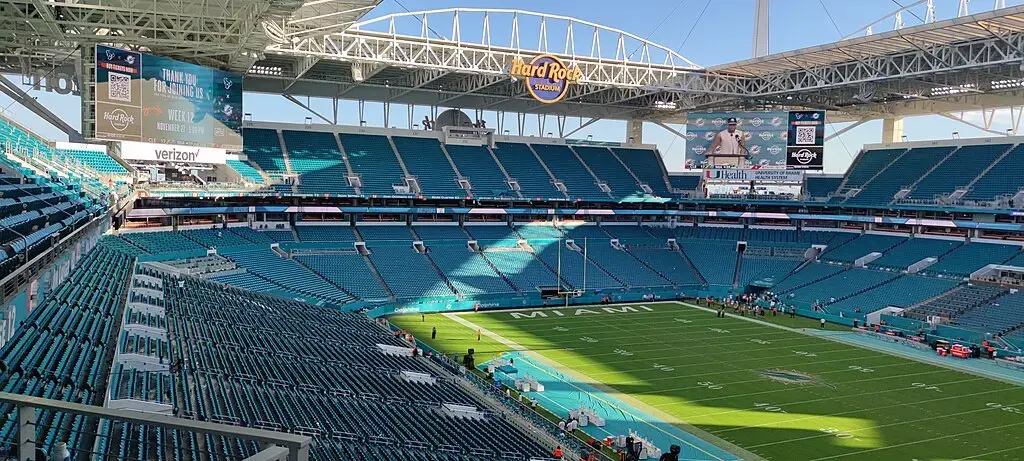
Miami
5
Hard Rock Stadium
Knockout matches: 2 • Kickoffs: 17:00-18:00

June and July highs reach 30-33 C with moisture levels regularly exceeding 70 percent. Even evening kickoffs bring little relief, as the air remains thick and stifling. Evaporative cooling becomes inefficient, so fatigue sets in rapidly. The combined effect creates an exceptionally gruelling physical environment for athletes.
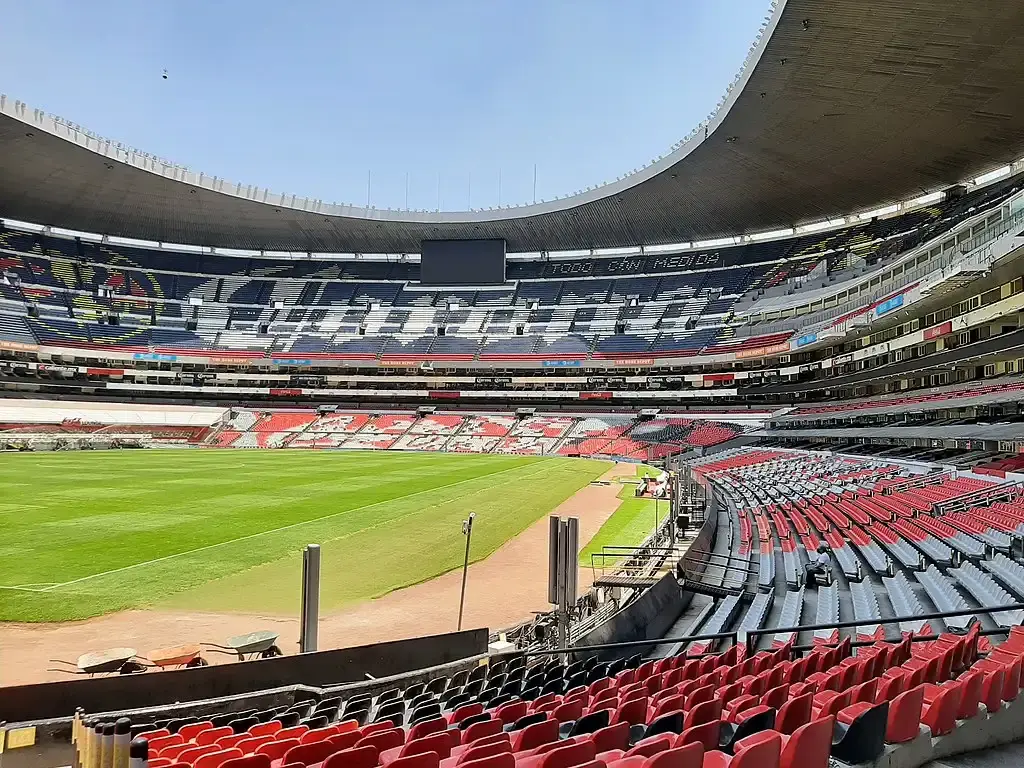
Mexico City
5
Estadio Azteca
Knockout matches: 2 • Kickoffs: 18:00-19:00

The challenge here is altitude rather than heat. June and July daytime highs are mild at 18-23 C, but the venue sits above 2,200 metres. Reduced oxygen availability affects pressing, recovery and endurance regardless of kickoff time. The chronic physiological strain makes sustaining high-intensity football exceptionally demanding.
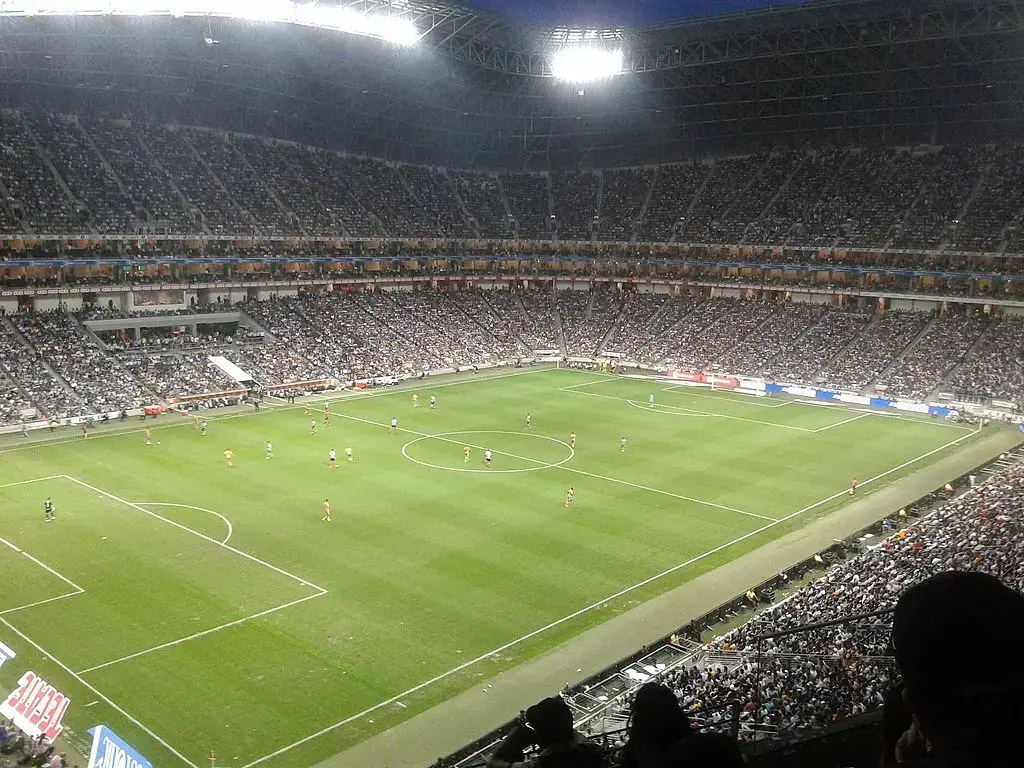
Monterrey
4.5
Estadio BBVA
Knockout match: 1 • Kickoff: 19:00
June and July highs regularly climb past 35 C with intense humidity. Evening temperatures often stubbornly remain above 30 C; the thermal load remains punishing. Extreme atmospheric conditions affect intensity, hydration and recovery, making this a severe environment.
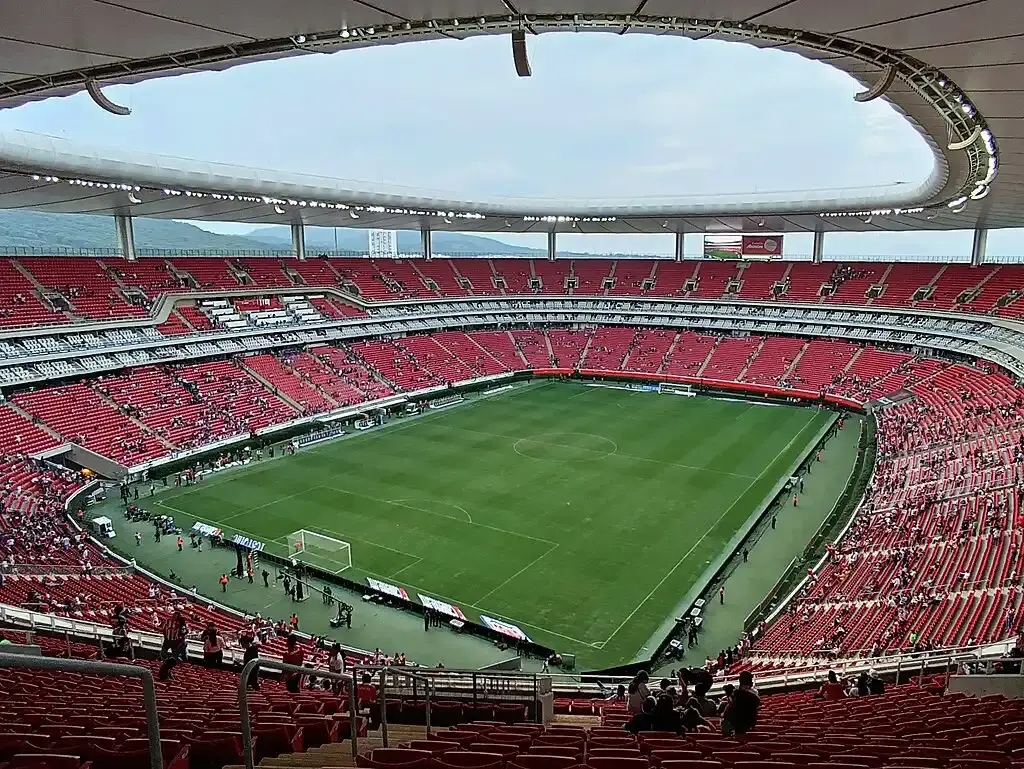
Guadalajara
3.5
Estadio Akron
No knockout fixtures at this venue
Warm afternoons averaging 25-29 C meet altitude of 1,566 metres at this open-air venue. Thinner air and tropical humidity converge during the wet season, occasionally adding heavy pitch conditions. This stadium hosts 4 group stage matches.
Group finishing position determines the path a team takes through the knockout stage. The chart below shows the cumulative climate score each group winner and runner-up would face on the way to the final.
Eight third-place teams will also qualify for the knockouts, but their routes are variable depending on the final group-stage ranking. To explore those possible third-place paths, use Route ’26.
Knockout Route Comparison
Select a group to compare
Currently showing all knockout routes
Select a group to see teams and compare their climate difficulty routes to the final
Climate route progression
Scores are cumulative totals based on the Venue Climate Index: 1 is easiest, 5 is hardest.
Key Takeaways
A chilled route if 1st or 2nd
Group B (18.5 combined), Group G (19.5) and Group D (20) have highly advantageous climatic routes whichever of the top two spots they fill. Belgium and Switzerland in particular may feel the benefits.
The fatigue route
Topping Group A scores 18.5. Perversely, it may suit the teams in that group to favour that route. They will already have been playing in Mexico during the group stage, so acclimatisation may create some form of advantage. It will certainly feel like home advantage for hosts Mexico if they top Group A.
Rock and a hard place
Groups C, F and I all total 25.5 when their first and second-place routes are combined. While none has an obvious out-and-out brutal path, they also have no truly favourable option. Groups A, E and L also score high on the combined measure, but each at least offers one noticeably lower route.
England's dilemma
Topping Group L means taking the path that incorporates Mexico City, possibly against the Mexicans, and then the heat of Miami! Losing the battle and finishing second in the group, could be the answer to winning the war.
Climate will not decide the World Cup on its own, but it may influence recovery, squad rotation and physical performance. Over the coming days we will be monitoring the early fixtures closely, watching for signs that the venue conditions are shaping how teams play — whether that is high press systems wilting in the Monterrey heat, or visiting sides visibly struggling to sustain their tempo at altitude in Mexico City. We will also be using the data to explore player prediction angles, looking at which individuals and positions are most likely to be affected by the tournament's unique climatic demands. It should make for a fascinating early indicator of who has prepared well and who has not.

As an Amazon Associate, MyTourneyTime earns from qualifying purchases.
Try The Tools
Explore Route '26
Explore MyTourneyTime's World Cup tools, routes, fixtures and tournament views in one place.
Read Next
Playing on the Roof of the World: Mexico's Three Venues and What They'll Ask of Players
Three Mexican stadiums all rank in the top four for player difficulty across the entire tournament. Here's what makes each of them so demanding.