World Cup 2026 Format Explained: How the Expanded Tournament Works
The 2026 FIFA World Cup expands to 48 teams. Here’s how the new format works, from group stage to knockout rounds, and what it means for teams and fans.
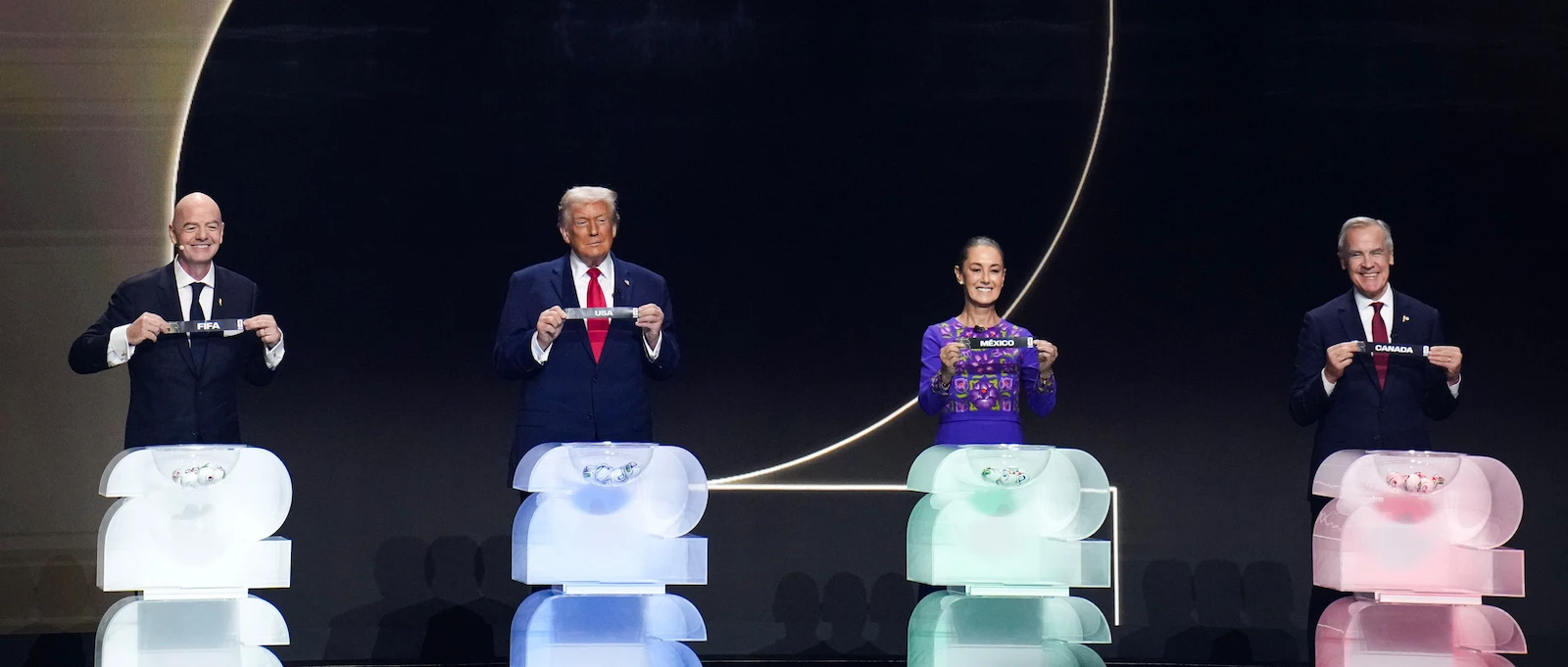
Image credit: U.S. Department of State / Freddie Everett (Public Domain)
The FIFA World Cup has always been the biggest stage in football. In 2026, it gets even bigger.
For the first time, 48 teams will compete across three host nations — the United States, Canada, and Mexico — making this the largest tournament in World Cup history. The last major expansion came in 1998, when the field grew from 24 to 32 teams. Nearly three decades later, the structure changes again, and this time the impact goes far beyond just the numbers.
How the Group Stage Works
The tournament begins with 48 teams split into 12 groups of four.
Each team plays three matches, facing every other side in their group once. The top two teams in each group automatically progress to the knockout stage.
The key change comes with third place. The eight best third-placed teams across all groups also advance, meaning a total of 32 teams move into the knockout rounds.
Finishing third is no longer the end of the road — but only the strongest third-place teams will go through, keeping every final group match meaningful.
How the Knockout Stage Works
From there, the tournament moves into a new phase: the round of 32.
This is the first time a World Cup has included this stage. The 32 qualified teams compete in a straight knockout format, with winners progressing through the round of 16, quarter-finals, semi-finals, and ultimately the final.
The 2026 World Cup final will be held at MetLife Stadium in New Jersey on July 19.
Teams that reach the final will now play eight matches in total — one more than in previous tournaments.
If a knockout match is level after 90 minutes, it goes to extra time, followed by penalties if needed.
What Has Changed
What makes this format genuinely different is the scale.
For individual teams to win the tournament will take 1 extra game, the new round of 32 providing that extra challenge and another knockout round to navigate. It's worth noting that some host cities climates will offer challenging conditions, throw in the extra game and squad management will be as important than ever.
It's the pure numbers though that highlight the shift. The 2022 World Cup featured 64 matches. The 2026 tournament will include 104 matches played across 39 days, from June 11 to July 19, in 16 cities.
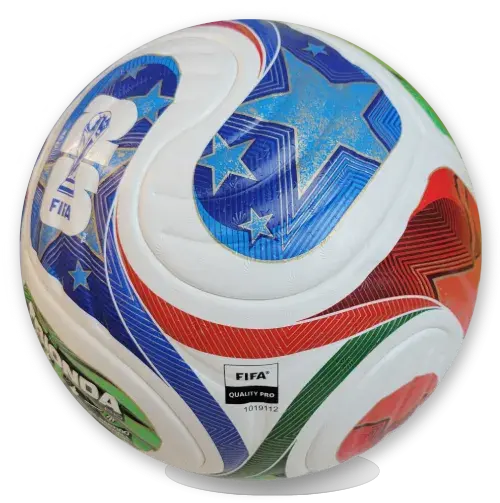
As an Amazon Associate, MyTourneyTime earns from qualifying purchases.
Why It Matters
For smaller nations, expansion brings opportunity.
More teams from Africa, Asia, and the Americas have qualified than ever before, giving historically underrepresented regions a greater chance to compete on the biggest stage.
For traditional powerhouses, the route to the final is a game longer. But with 8 out of 12 3rd place teams qualifying from the groups, it may actually reduce demand on them, with a lack of jeopardy they may be able to heavily rotate and keep players fresh for the later rounds.
32 to 48 teams is a major shift, we'll likely see more World Cups over multiple host nations due to the amount of stadia required. What it means for quality on the pitch remains to be seen.
Plan Your World Cup Route
With more teams and a more complex knockout structure, the path to the final is no longer straightforward.
Small differences in group position can completely change a team’s route through the tournament, affecting both opponents and travel.
Final Thoughts
The expanded format will define the 2026 World Cup.
Whether it improves the tournament or stretches it too far remains to be seen. What is certain is that the road to lifting the trophy is now a little longer, how it translates to individual match quality, only time will tell.
Try The Tools
MyTourneyTime Interactive Tools
Explore MyTourneyTime's World Cup tools, routes, fixtures and tournament views in one place.
Read Next
The Official World Cup Ball 2026: Design, Technology and History
A look at the official 2026 World Cup ball, its design, technology and the history behind some of the most iconic match balls in football.